See what consumers really want from brands on social media in 2026, from human content and responsive service to useful experiences, platform relevance, and meaningful interactions.
Being present on social media is no longer enough.
Customers expect brands to do more than publish products, promotions, and polished campaigns.
They want brands to:
Feel human
Respond personally
Understand the platform
Provide useful information
Create enjoyable experiences
Offer value beyond selling
Sprout Social's 2026 Social Media Content Strategy Report surveyed more than 2,300 consumers and 1,200 marketers across the US, UK, and Australia and found a clear gap between what audiences want and where marketers are investing. Consumers ranked human-generated content first, while personalized customer service and surprise-and-delight experiences tied for second. Sprout Social — 2026 Social Media Content Strategy Report
The better question for brands is no longer:
“What should we post?”
It's:
“What does our audience actually want from us here?”
Customers Want Brands to Feel Human
AI can produce content at incredible speed.
But customers aren't necessarily asking brands to produce more content.
They're asking them to make content feel more real.
Sprout Social found that human-generated content is consumers' number-one priority for brands on social in 2026. The same research says marketers' priorities are different: AI-generated content ranks among the top areas of investment.
That creates a simple opportunity.
Show:
Employees
Founders
Customers
Creators
Behind-the-scenes work
Real product experiences
Instead of:
“Our team is excited to announce…”
try:
“We spent three months testing this. Here's what surprised us.”
The information can remain professional.
The presentation becomes human.
This also connects with your previous article:
How to Create Social Media Content for Customers Who Want Real Experiences, Not Perfect Brands
They Expect Original Content, Not Endless Trends
Trends can create visibility.
But customers don't necessarily want brands to jump on every trend.
Sprout Social found that only 56% of social users say brands do a good job producing truly original content. Its research also found that consumers can find trendjacking embarrassing when it doesn't feel natural to the brand. Sprout Social — Original Content on Social: Why It's Harder to Find, but More Important
The lesson isn't:
Never use trends.
It's:
Have something original to say before looking for a trend to attach it to.
Original content can be:
A customer story
A brand opinion
A product experiment
A useful demonstration
An employee perspective
An unexpected insight
A trend might get someone to stop.
Original content gives them a reason to remember you.
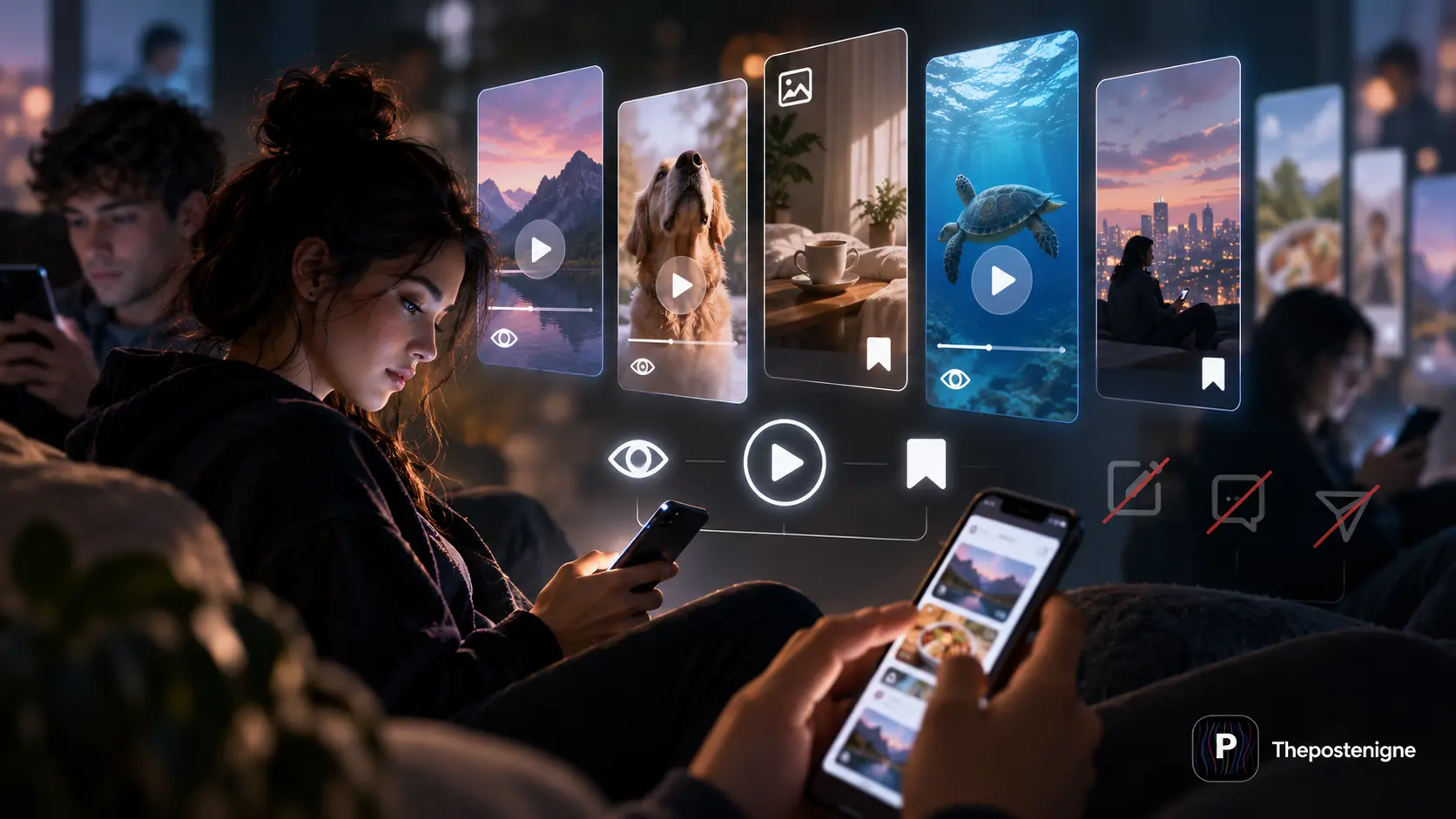
IMAGE 2 — ORIGINAL VS TREND
They Want Service, Not Just Social Replies
Customers increasingly see social media as a place to solve problems, not just discover products.
That means:
“Thanks for your comment!”
isn't always enough.
Customers may expect:
Fast answers
Personalized recommendations
Order help
Product guidance
Problem resolution
Sprout Social's 2026 research found that personalized customer service tied with surprise-and-delight moments as consumers' second-highest priority from brands on social.
Hootsuite's 2026 customer-service research similarly reports that people increasingly expect businesses to provide service through social messaging and direct conversations. Hootsuite — Social Media Customer Service: 2026 Enterprise Guide
That changes the role of your social team.
The feed creates awareness.
The conversation creates confidence.
You can connect this with:
How to Turn Social Media DMs Into a Customer Service Advantage
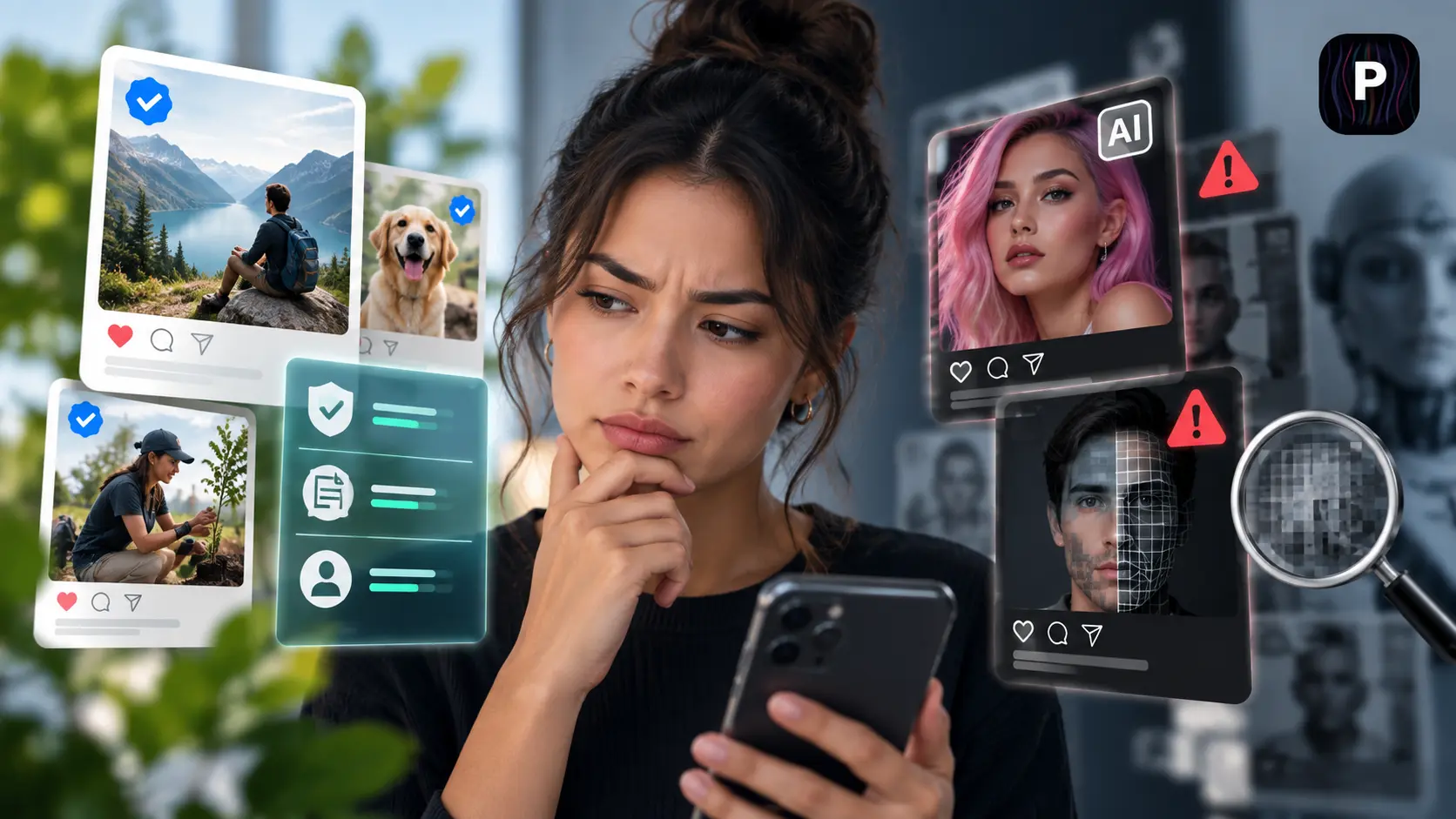
IMAGE 3 — CUSTOMER SERVICE
They Expect Brands to Understand Each Platform
Customers don't experience every social platform in the same way.
What works on TikTok may feel unnatural on LinkedIn.
What works in an Instagram Story may not work as a YouTube Short.
Sprout Social's research found that consumers want brands to understand platform nuances, while its 2026 report shows significant differences between the platforms consumers plan to spend time on and the platforms marketers plan to prioritize.
That means brands need to adapt:
Tone
Format
Pacing
Visual style
CTA
Level of detail
For example:
TikTok
→ Discovery + entertainment
→ Visual storytelling + interaction
→ Expertise + professional insight
YouTube
→ Depth + searchable video
The brand stays recognizable.
The experience changes.
For a deeper look at this, see:
How to Create Social Media Content That Feels Native to Each Platform
They Want Useful and Enjoyable Experiences
Customers don't want every post to feel like an advertisement.
They may want to:
Learn something
Laugh
Discover something
See something unexpected
Meet other people
Understand a product
Get inspiration
Sprout Social's broader consumer research found that 91% of people believe social media has the power to connect people, and 78% want brands to use social to bring people together. Sprout Social — BrandsGetReal: What Consumers Want From Brands
That means value doesn't always need to be a discount.
It can be:
Useful information + entertainment + connection
For example, instead of:
“Buy our running shoes.”
create:
“3 mistakes first-time runners make before race day.”
The product can still appear.
But the customer receives value first.
Smaller Spaces Are Becoming More Valuable
A massive audience isn't automatically a better audience.
Consumers increasingly participate in smaller digital spaces where conversations can be more relevant.
Sprout Social's 2026 report ranks audience engagement in smaller digital spaces among consumers' top expectations from brands, alongside human-generated content, customer service, social commerce, and collaborations. Sprout Social — 2026 Social Media Content Strategy Report
That could mean:
Private groups
Niche communities
Broadcast channels
Small creator communities
Customer groups
This doesn't mean abandoning large social feeds.
It means recognizing that some of your strongest relationships may happen in smaller spaces.
Your content strategy can therefore have two layers:
Public content → Discovery
Smaller spaces → Deeper relationship
Customers Still Want Social Commerce
Social media is increasingly part of the purchase journey.
Sprout Social's 2026 research ranks social commerce among the consumer priorities for brands, while its broader social strategy research identifies social as a major product-discovery channel. Sprout Social — 2026 Social Media Content Strategy Report
But social commerce isn't simply:
Product → Buy Now
Customers may want:
Product information
Reviews
Comparison
Demonstration
Questions answered
Trust
Easy checkout
That is why social content needs to support different stages of the decision.
For example:
Discovery post
→ “See this product”
Educational post
→ “Understand it”
Comparison
→ “Choose between options”
Customer proof
→ “Trust it”
Product CTA
→ “Buy it”
This connects naturally with your existing:
Social Commerce in 2026: What Customers Need Before They Buy From Social Media
Turn Customer Expectations Into Better Content
Instead of building a content plan around what your brand wants to say, build it around what customers expect to receive.
A simple framework is:
Expectation
↓
Content response
Customers want human content
→ Employee stories
→ Founder videos
→ Customer experiences
Customers want original content
→ Real opinions
→ Experiments
→ Unique formats
Customers want service
→ Helpful DMs
→ Product guidance
→ Fast answers
Customers want platform relevance
→ Native formats
→ Different pacing
→ Platform-specific CTAs
Customers want useful experiences
→ Education
→ Entertainment
→ Inspiration
Customers want smaller spaces
→ Private groups
→ Niche conversations
→ Customer communities
Customers want easier shopping
→ Demonstrations
→ Comparisons
→ Proof
→ Simple purchase paths
This is where The Post Engine can support the production side without becoming the strategy itself.
You can use one customer expectation to create multiple formats around it:
Human experience
→ Reel
→ Story
→ Quote
→ Employee post
Product question
→ Carousel
→ FAQ post
The strategy starts with what customers expect.
The content system follows.
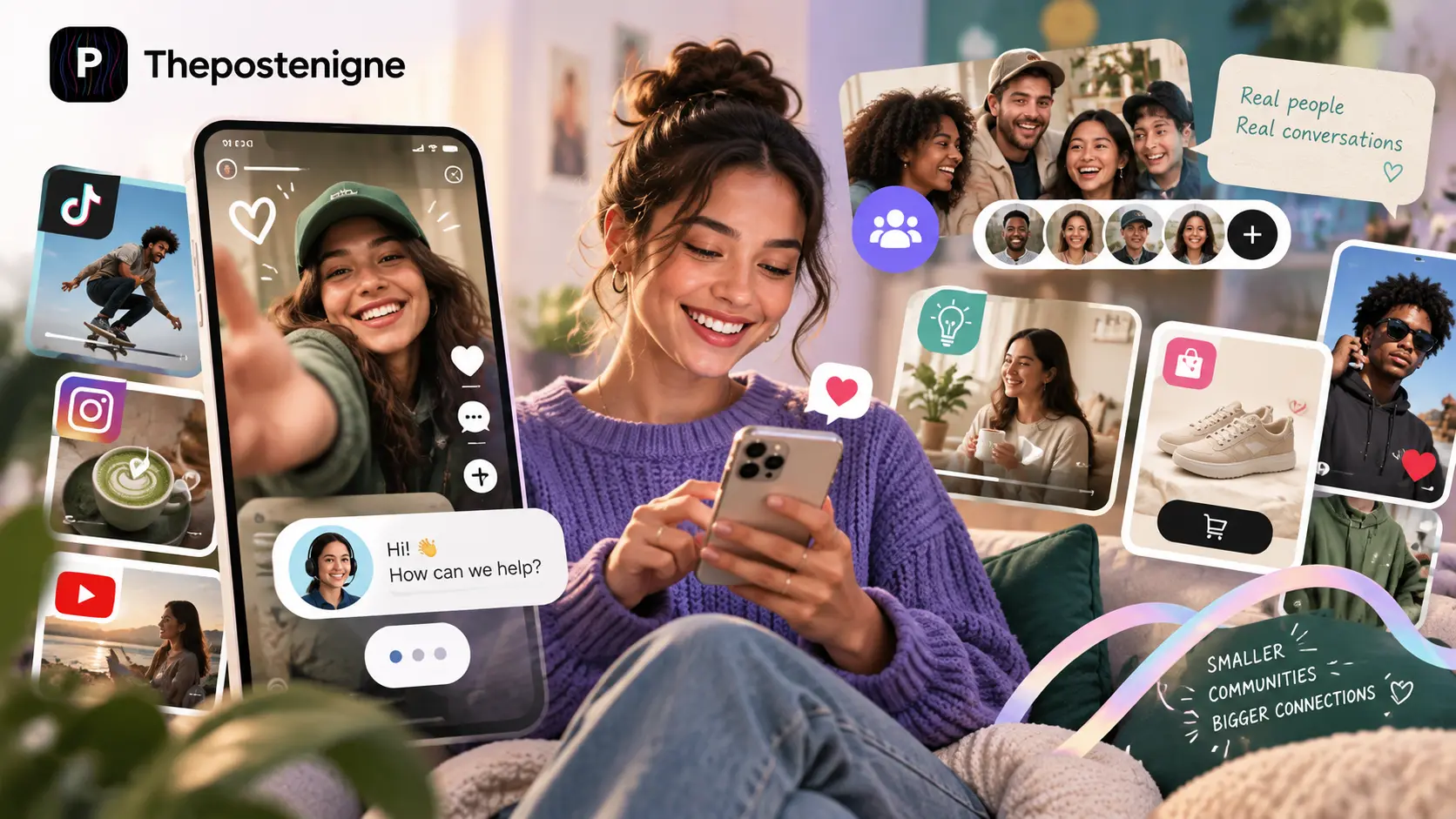
IMAGE 4 — CUSTOMER EXPECTATIONS TO CONTENT
Frequently Asked Questions
What do customers want from brands on social media in 2026?
The strongest consumer expectations identified in recent research include human-generated content, personalized customer service, surprise-and-delight experiences, social commerce, smaller community spaces, and relevant collaborations. Sprout Social — 2026 Social Media Content Strategy Report
Do customers want brands to stop using AI?
Not necessarily.
The issue is how AI is used. Consumers still want human judgment, originality, and authentic experiences even while AI becomes part of brand workflows. Sprout Social's 2026 report specifically recommends using AI to improve efficiency and insights rather than replacing human taste.
Do customers care about personalized customer service on social media?
Yes. Personalized service ranked joint second among consumer priorities in Sprout Social's 2026 research.
Should brands be on every social platform?
Not necessarily. Consumers and marketers are not always prioritizing the same networks, and Sprout Social recommends understanding where your audience actually spends time rather than spreading resources everywhere. Sprout Social — 2026 Social Media Strategy
Is social media still mainly about getting engagement?
No. Social now overlaps with brand building, customer service, commerce, discovery, and community. Sprout Social describes the modern social role as extending well beyond traditional content publishing. Sprout Social — Social Media Day 2026
Final Takeaway
Customers aren't asking brands to simply post more.
They're asking brands to be:
More human
More useful
More responsive
More original
More relevant to each platform
More enjoyable
Easier to shop from
The process becomes:
Listen → Understand → Respond → Create → Connect
The biggest opportunity in 2026 isn't producing more social media content.
It's closing the gap between what brands want to publish and what customers actually want to experience.