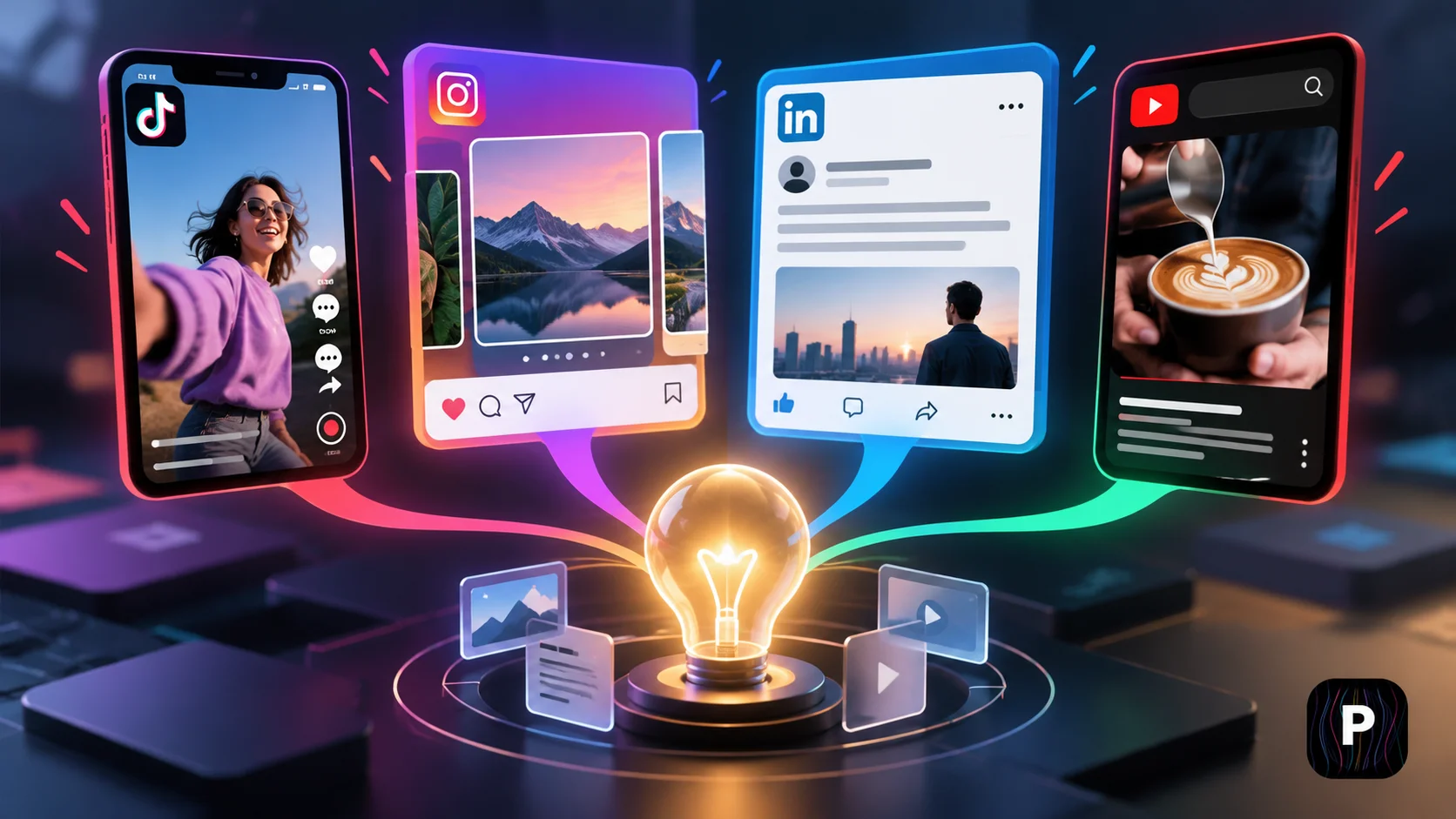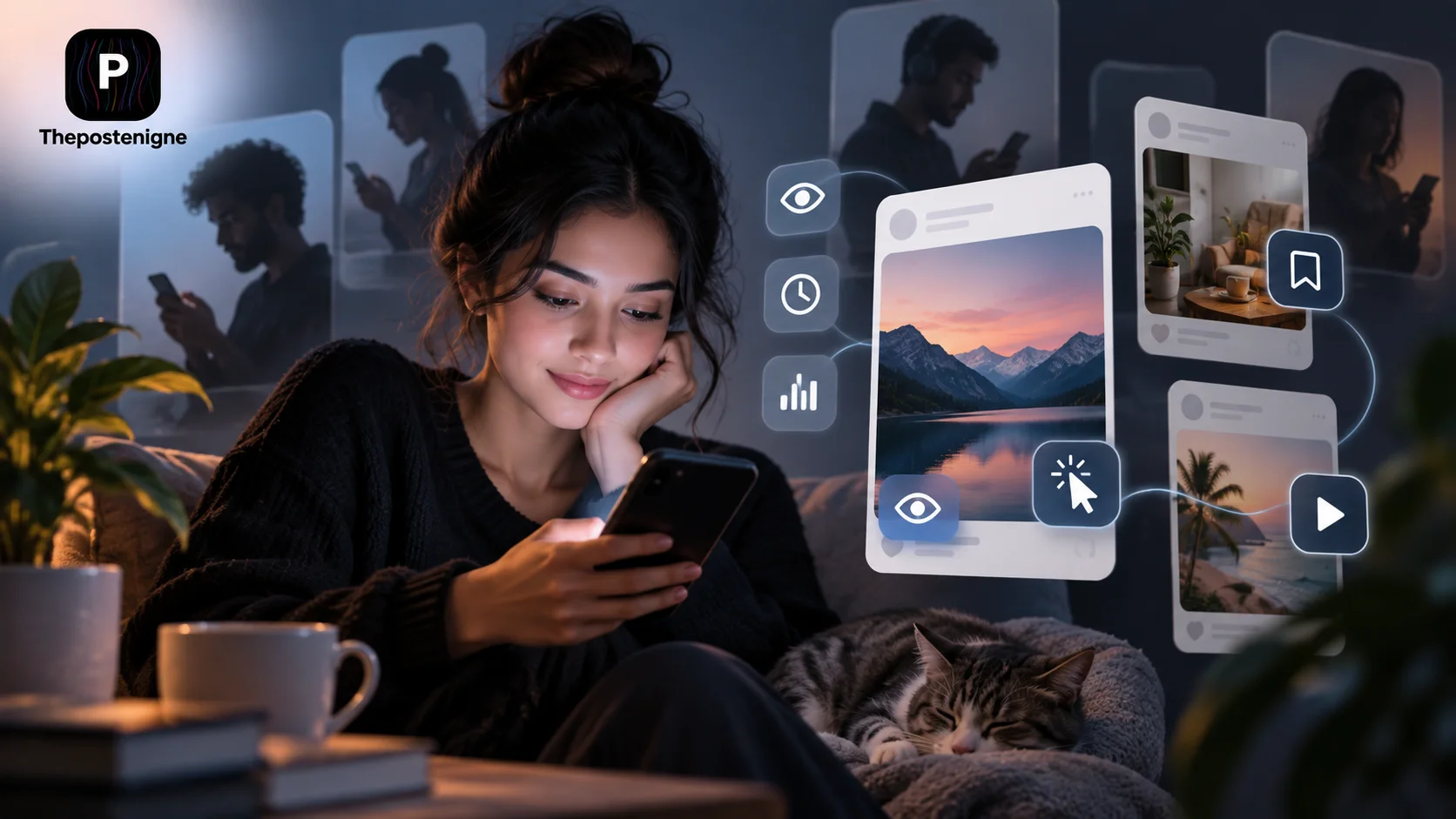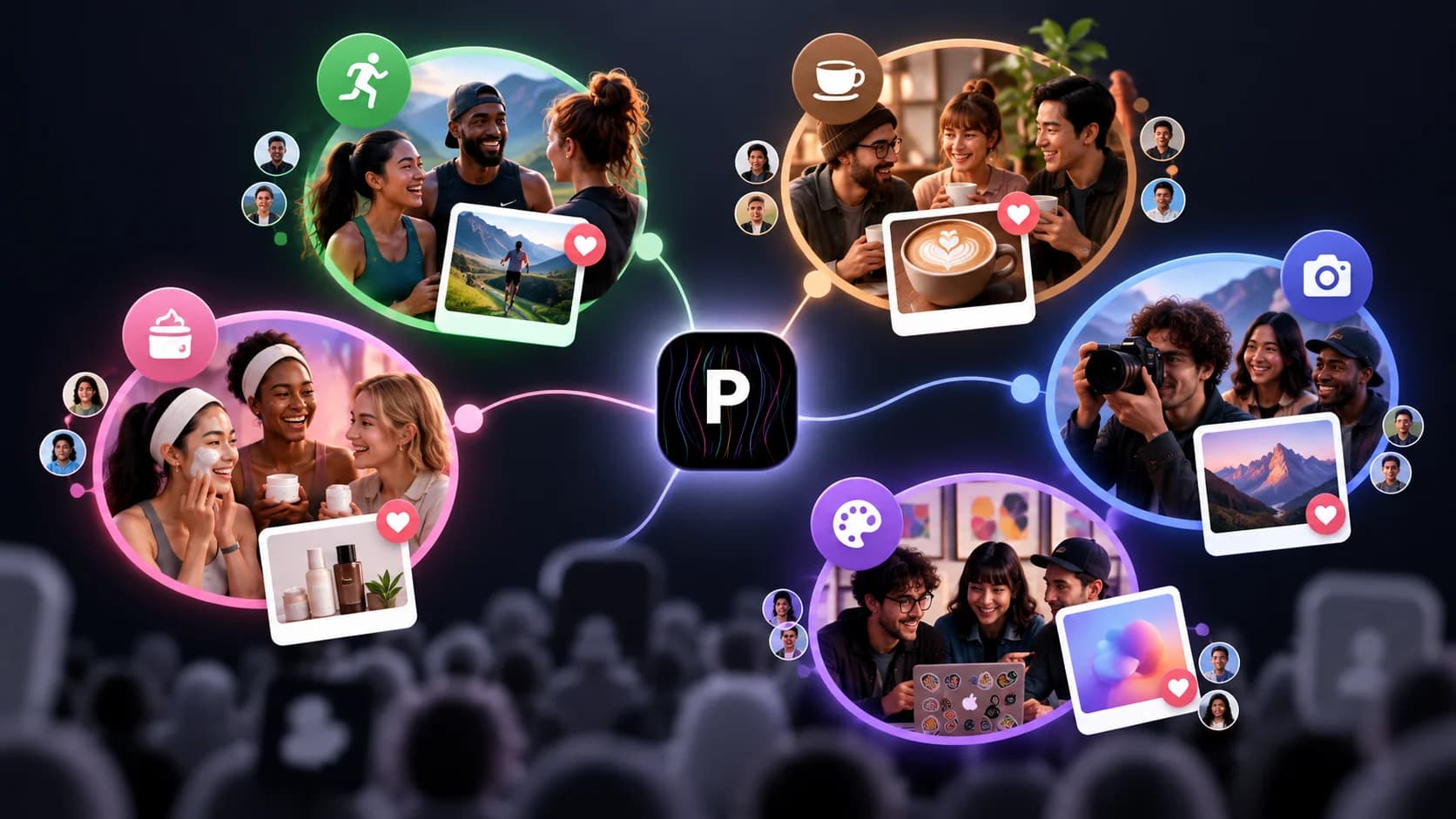
Learn how to turn social media content into recurring experiences that make customers want to return through series, rituals, useful updates, episodic stories, and audience-driven content.
Getting someone to notice your content once is useful.
Getting them to come back looking for the next post is much more valuable.
A customer might watch one Reel and forget your brand five minutes later.
But a recurring series can create a reason to return:
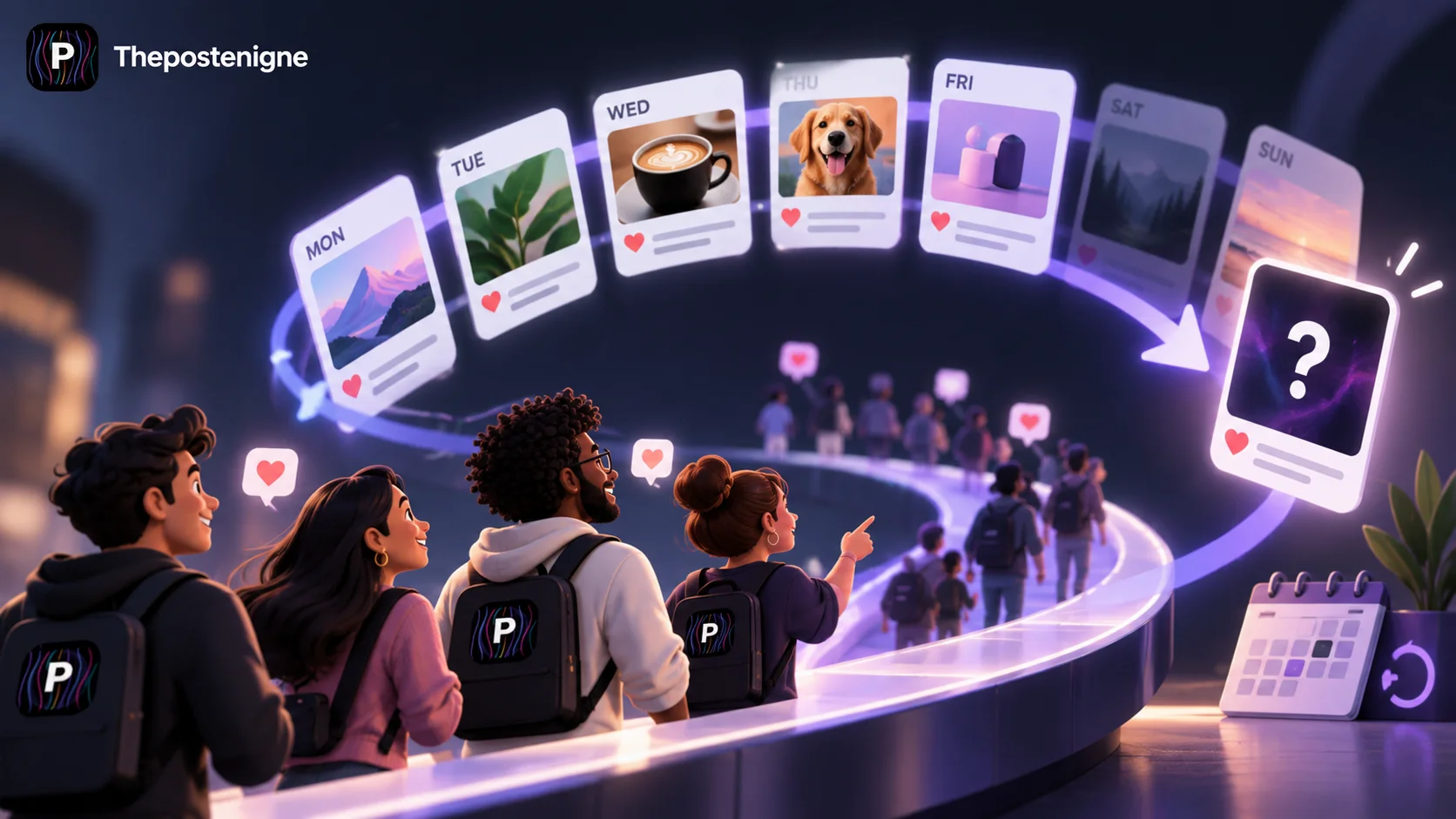
Monday → New tipWednesday → Customer storyFriday → New episode
That shift matters in 2026. Hootsuite recommends content series as a way to give audiences a reason to keep coming back, while TikTok is actively investing in episodic content designed around continued viewing. Hootsuite — Social Media Content Creation: 15 Pro Tips, Tools + Templates
TikTok for Business — Create and Scale Episodic Content With TikTok Growth Max for Mini Series
TikTok's 2026 trend research also points to audiences seeking real stories, community, shared experiences, and meaningful reasons to spend their attention rather than simply consuming endless content. TikTok Next 2026 — Trend Report
The better approach is:
Don't only create content people can watch. Create content they have a reason to return to.
Give Your Content a Repeatable Format
People are more likely to recognize recurring content when the format stays familiar.
Think:
Same day
Same style
Same opening
Different topic
For example:
“Marketing Myth Monday”
Every Monday, the brand takes one common marketing belief and explains whether it is true.
Or:
“One-Minute Product Tip”
Every Wednesday, customers get one practical tip.
Hootsuite recommends recurring series because they make content easier to produce while giving audiences a predictable reason to return. It specifically suggests keeping elements such as the opening line, format, length, and publishing day consistent. Hootsuite — Social Media Content Creation
The goal isn't to make every post identical.
It's to make the format recognizable.
IMAGE 2 — RECURRING SERIES
Turn One Topic Into a Series
You don't need four unrelated ideas to create four posts.
Start with one larger topic and divide it into episodes.
For example:
Topic: Product Photography
Episode 1: Why your product photos look flat
Episode 2: Choosing the right background
Episode 3: Lighting mistakes to avoid
Episode 4: Lifestyle vs. studio photos
Episode 5: Before-and-after examples
Now the audience has a reason to return.
This works for almost any topic:
Fitness → weekly training tips
Beauty → routine breakdowns
Ecommerce → store optimization tips
Finance → weekly money lessons
SaaS → feature tutorials
TikTok's 2026 Mini Series program is built around the same broader idea: episodic content gives audiences multiple connected episodes they can follow over time. TikTok for Business — Episodic Content and Mini Series
Best combination:
One theme + multiple episodes + clear progression
Create a Reason to Expect the Next Post
A series becomes stronger when the audience knows there is something next.
At the end of Episode 1, don't simply say:
“Follow for more.”
Give them a reason:
“Tomorrow, we'll show you the lighting mistake that makes this look worse.”
Or:
“Next week: the comparison most beginners get wrong.”
This creates an open loop without relying on exaggerated clickbait.
You can also use:
Episode numbers
“Part 2 tomorrow”
Recurring days
Next-question teasers
Audience predictions
TikTok's current episodic-content approach is explicitly designed around audiences being able to follow along with connected episodes rather than consuming one isolated post. TikTok for Business — TikTok Mini Series
IMAGE 3 — NEXT EPISODE
Build Recurring Content Around Customer Interests
A series shouldn't exist simply because your brand needs more posts.
It should exist because people have an ongoing interest in the subject.
TikTok's 2026 trend report recommends identifying adjacent spaces, niche communities, and cultural moments that naturally connect with a brand. It also encourages brands to “bet big on small communities” where interest runs high. TikTok Next 2026 — Trend Report
For example:
Running brand
Instead of:
“Buy our shoes.”
Create:
“Road to Your First 10K”
Coffee brand
Instead of:
“Try our beans.”
Create:
“30 Days of Better Coffee”
PostEngine
Instead of:
“Here are our features.”
Create:
“30 Days of Better Social Content”
The product can appear naturally inside the broader experience.
Let Customers Help Shape the Next Episode
Recurring content becomes more interesting when the audience influences what comes next.
Ask:
“Which topic should we cover next?”
Or:
“Want Part 2?”
Or:
“Which product should we test next?”
Then use the responses to shape future episodes.
This creates a loop:
Audience interest → Episode → Feedback → Next episode
TikTok's 2026 research emphasizes moving beyond passive consumption toward curiosity, conversation, and shared experiences, making audience participation a useful part of recurring content. TikTok Next 2026 — Trend Forecast
The customer isn't just watching the series.
They're helping decide where it goes.
IMAGE 4 — AUDIENCE-LED SERIES
Mix Useful Content With Entertainment
A recurring series doesn't have to be educational every time.
People return for different reasons:
Learn something
See what happens next
Laugh
Discover something new
Follow a story
See other people
Feel part of something
Deloitte's 2026 Digital Media Trends research found that 55% of Gen Z respondents say social media content is more relevant to them than traditional media, while 52% feel a stronger personal connection to social-media creators than to TV personalities or actors. Deloitte — 2026 Digital Media Trends
This doesn't mean every brand needs to become an entertainment company.
It means useful information can be delivered through formats people actually enjoy following.
For example:
Tutorial + challenge
Product education + story
Customer advice + humor
Industry tip + recurring character
Avoid Turning Recurring Content Into Repetition
A series needs consistency.
But consistency isn't repetition.
Don't publish:
“5 Instagram tips”
every Monday with only the number changed.
Keep the format stable while changing:
Examples
Questions
Customers
Products
Stories
Challenges
Visuals
Also watch for audience fatigue.
Adobe's 2025 customer-loyalty research found that consumers preferred roughly 4–5 brand interactions per month, and warned that over-communication or generic messaging can weaken trust. Adobe — From Crowded Markets to Committed Customers
So the goal isn't:
“Post the series as often as possible.”
It's:
“Make the next episode worth returning for.”
Use The Post Engine to Keep the Series Recognizable
A recurring series benefits from a consistent visual identity, but that doesn't mean every episode should look identical.
With The Post Engine, you can keep recurring elements such as:
Brand style
Typography
Product presentation
Episode format
while changing the actual content from episode to episode.
For example:
Series: “One-Minute Ecommerce Tips”
Episode 1: Product page mistake
Episode 2: Pricing mistake
Episode 3: Product-photo mistake
Episode 4: Checkout mistake
Each post can feel like part of the same series while still giving the audience something new.
→How to Generate Different Social Media Post Styles in One Place
IMAGE 5 — SERIES WORKFLOW
Frequently Asked Questions
What is recurring social media content?
Recurring content is a repeatable format or series that appears regularly around a shared theme, topic, character, or audience interest.
Does a content series have to be posted weekly?
No. Weekly publishing is one option. The best frequency depends on how much valuable material you can produce without reducing quality.
How do I make people come back for the next post?
Give the audience a reason to expect something useful, interesting, entertaining, or unfinished:
Next episode → New question → New result → New story
Can a product be part of recurring content?
Yes. The product doesn't need to be the entire subject. It can appear naturally inside tutorials, challenges, customer stories, demonstrations, or recurring educational series.
How do I avoid audience fatigue?
Keep the format recognizable but vary the subject, examples, people, stories, and visuals. Adobe's 2025 loyalty research also suggests avoiding excessive or generic brand communication. Adobe — Customer Loyalty Insights
Final Takeaway
Customers don't necessarily need more posts.
They need a reason to care about the next one.
Build that reason through:
Recurring formats
Connected episodes
Audience participation
Useful information
Entertainment
Consistency without repetition
The process becomes:
Theme → Episode → Expectation → Return → Next episode
The strongest recurring content doesn't feel like a publishing schedule.
It feels like something customers have started following.